
A Guide to Sustainable Renovation Practices in the UK


Introduction to Sustainable Renovation
As environmental awareness grows, more homeowners in the UK are turning to sustainable renovation practices. These eco-friendly methods not only reduce the carbon footprint of your home but can also lead to significant cost savings in the long run. Embracing sustainability in renovation is an investment in both the present and future, promoting energy efficiency and resource conservation.

Choosing Eco-Friendly Materials
One of the first steps in sustainable renovation is selecting the right materials. Opt for materials that are recycled, reclaimed, or rapidly renewable. For instance, bamboo and cork are excellent choices for flooring due to their rapid growth and minimal environmental impact. Recycled metal and reclaimed wood are also popular options that add a unique character to any space.
Benefits of Natural Insulation
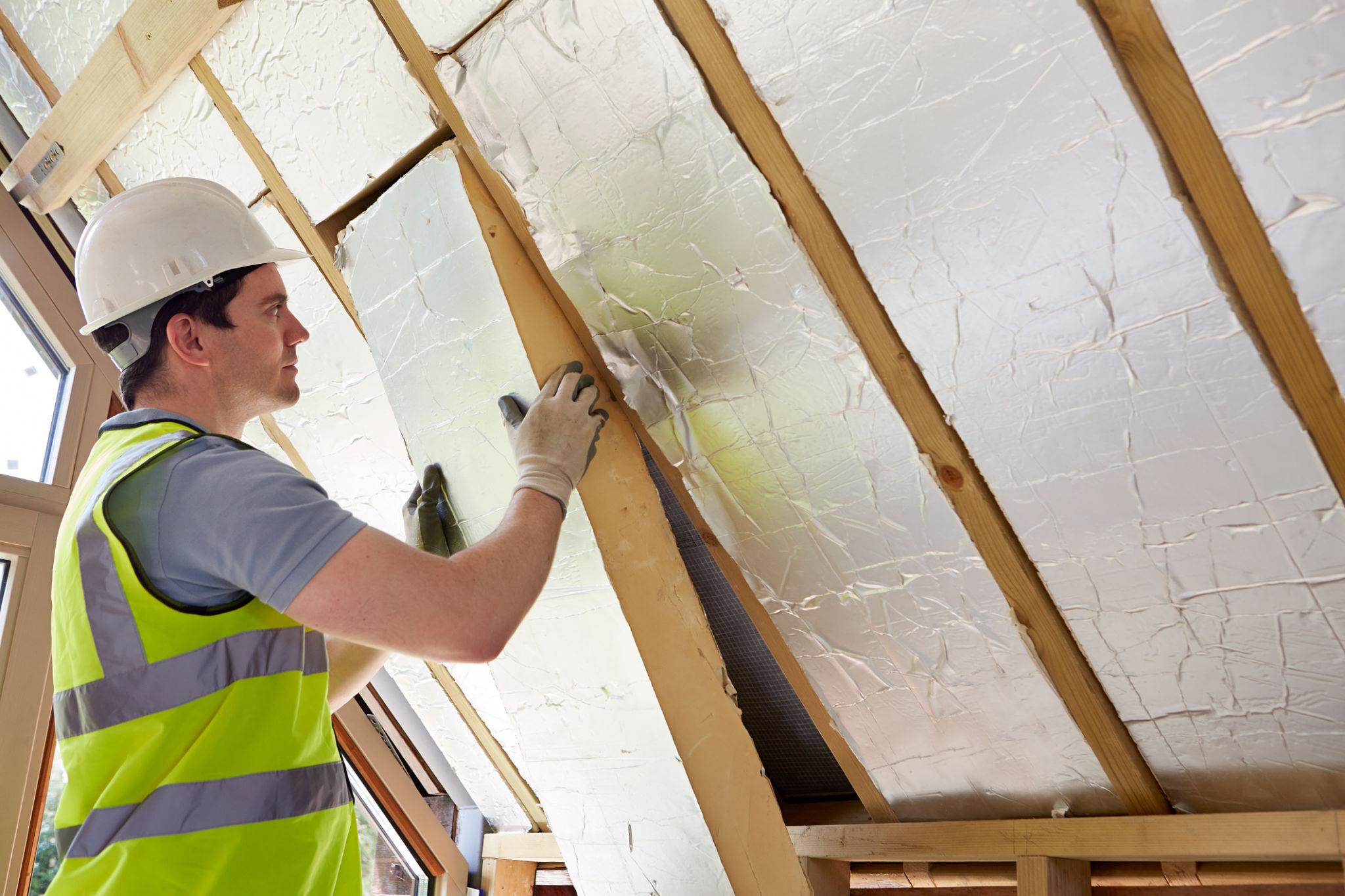
Insulation is crucial for energy efficiency, and choosing natural options can make a significant difference. Wool, hemp, and cellulose are excellent insulators that are biodegradable and have a lower environmental impact compared to synthetic alternatives. These materials help maintain a comfortable indoor temperature while reducing energy consumption.
Energy-Efficient Solutions
Incorporating energy-efficient systems is a cornerstone of sustainable renovation. Consider installing solar panels, which can significantly reduce electricity costs and reliance on non-renewable energy sources. Additionally, energy-efficient windows and smart home systems can further enhance energy conservation efforts.
Implementing Smart Technology
Smart home technology not only adds convenience but also enhances energy efficiency. Smart thermostats, lighting, and appliances allow homeowners to monitor and adjust their energy usage remotely, ensuring that energy is not wasted when it's not needed. This technology contributes to a more sustainable and cost-effective living environment.

Water Conservation Techniques
Water conservation is another critical aspect of sustainable renovation. Installing low-flow fixtures, such as toilets and showerheads, can significantly reduce water usage. Additionally, rainwater harvesting systems can be implemented to collect and reuse rainwater for garden irrigation and other non-potable purposes.
Landscaping for Sustainability
Sustainable landscaping involves the use of native plants, which require less water and maintenance. Creating a garden with indigenous flora not only conserves water but also supports local biodiversity. Using permeable paving materials can also help manage rainwater runoff effectively.

Conclusion: A Greener Future
Embarking on a sustainable renovation journey is a commendable step towards a greener future. By choosing eco-friendly materials, implementing energy-efficient solutions, and conserving water, homeowners can significantly reduce their environmental impact. Sustainable renovation not only benefits the planet but also enhances the quality of life for occupants, creating healthier and more cost-effective living spaces.