
Myth-Busting: Common Misconceptions About Steel Framing Systems


Understanding Steel Framing Systems
Steel framing systems have gained popularity in the construction industry due to their durability and efficiency. However, several misconceptions often deter people from choosing this robust option. In this post, we'll debunk some of the most common myths surrounding steel framing systems.
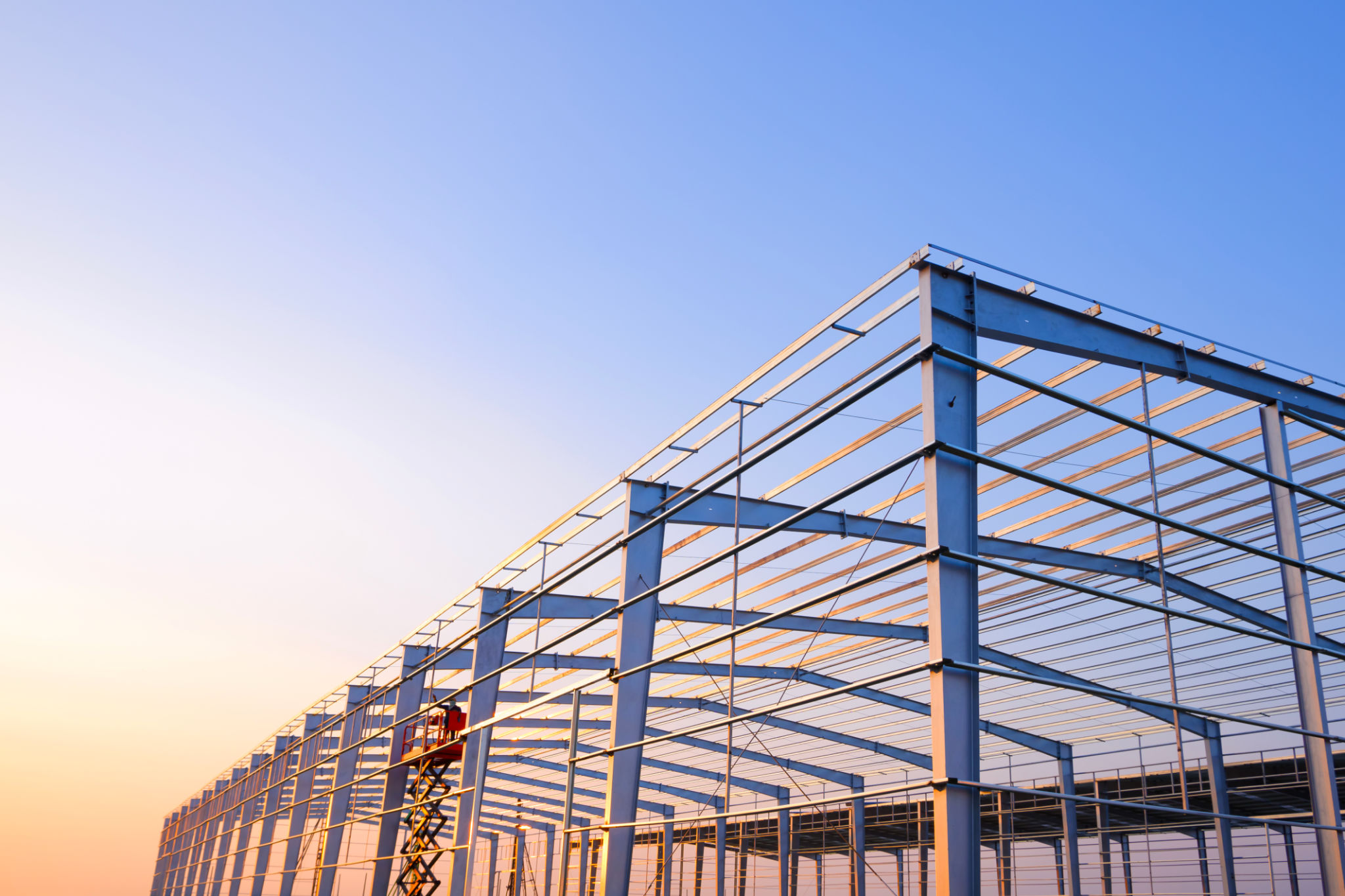
Myth 1: Steel Frames Are Prone to Rust
One of the biggest myths about steel framing is that it is susceptible to rust. In reality, modern steel frames are treated with galvanization or other protective coatings that prevent corrosion. These treatments ensure that steel can withstand various environmental conditions without rusting, making it a reliable choice for long-term use.
Myth 2: Steel Framing Is Too Expensive
Many people believe that building with steel is prohibitively expensive. However, when considering the total cost of ownership, including reduced maintenance and repair costs, steel frames can be more economical than traditional materials. Additionally, the speed of construction with steel can lead to significant labor cost savings.

Structural Integrity and Safety
Myth 3: Steel Frames Are Not Fire Resistant
Another misconception is that steel frames are not fire-resistant. In fact, steel is non-combustible and can enhance the overall fire safety of a building. While steel can lose strength at high temperatures, proper insulation and fireproofing materials are used to maintain structural integrity during a fire.
Myth 4: Steel Framing Is Noisy
Some believe that steel structures are inherently noisy, especially compared to wood. However, modern construction techniques and materials can effectively minimize noise. By using acoustic insulation and careful design, steel-framed buildings can be as quiet as those made with other materials.

Environmental and Design Considerations
Myth 5: Steel Frames Aren't Eco-Friendly
Contrary to popular belief, steel is one of the most environmentally friendly building materials available. It is 100% recyclable, and many steel products are made from recycled materials. Choosing steel framing can significantly reduce the carbon footprint of a construction project.
Myth 6: Limited Design Flexibility
Lastly, some assume that steel frames limit architectural design. On the contrary, steel offers incredible flexibility, allowing for innovative and complex designs. Its strength-to-weight ratio enables architects to create large open spaces without the need for load-bearing walls, offering more design freedom.

In summary, steel framing systems offer numerous benefits that are often overlooked due to persistent myths. By understanding the realities of steel framing, you can make informed decisions and potentially enhance the quality and efficiency of your construction projects.